
Trust update
Guidance you can trust: what your data proves, and what it only suggests
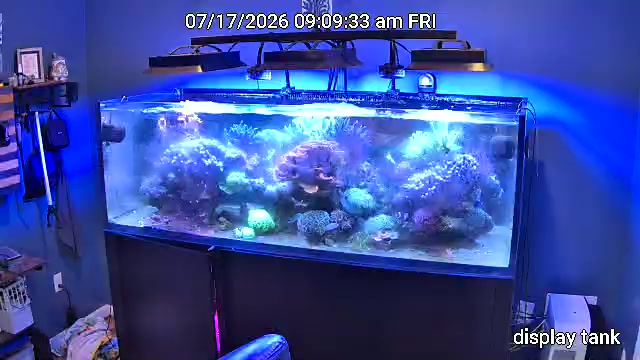
We have been improving ReefMind.ai and Captain Chris to be more useful without sounding more certain than the evidence allows. That means being clearer about where an observation ends and an inference begins, and not recommending a change to your tank before the evidence supports it.
What one camera image can tell us
A single image can show visible changes: a coral looks more open or more closed, tissue color appears different, algae is visible in a new area, or the water looks cloudier than before. Those observations can be useful. But one image alone cannot prove an exact species, diagnose a disease, or establish what caused the change.
When the image does not provide enough evidence, ReefMind.ai should say so and ask you to confirm what you see, share another angle, or add tank context. A careful follow-up question is more useful than a confident guess.
Missing is not zero
An unavailable, stale, or unsupported reading is missing data. It is not a measured zero. ReefMind.ai now keeps that distinction visible so a gap does not quietly turn into a chemistry claim. At the same time, a genuine measured zero or negative reading remains valid data and is not discarded just because the value is unusual.
How we treat Apex probe readings
Salinity, conductivity, and ORP readings can carry important information, but one unconfirmed probe reading is not enough by itself to recommend adding salt, changing top-off, running ozone, or making another chemistry adjustment. ReefMind.ai and Captain Chris should first help you check the confidence around that measurement.
That may mean checking calibration, probe placement and flow, bubbles, fouling or salt creep, temperature, and—especially for ORP—the probe’s age and condition. The reading still matters; the goal is to understand it, not ignore it. If a measured value indicates an urgent risk, that risk may still lead the response while measurement confidence is addressed separately.
What coral photos can say about growth
Photos taken from different angles, distances, lighting, or camera settings can support a description of visible change. They cannot establish an exact growth percentage, skeletal mass, a health score, or the cause of that change. More standardized images make comparisons stronger, but the wording should still match what the images actually support.
How product and dosing guidance should work
Guidance should start with the chemistry or product category the tank may need, not a favored brand. It should stay neutral and uncertainty-aware, point to reliable sources, and explain the basis for the recommendation. When a quantity is appropriate, ReefMind.ai should show the arithmetic before giving the amount so you can check the inputs and reasoning for your own system.
These changes make ReefMind.ai more honest about what is measured, what is inferred, what still needs confirmation, and what should happen next. Thank you to the reefers who challenged our assumptions and shared real examples. You are helping us build advice that is not just useful, but worthy of your trust.